Ms. Bénigne Nahimana
Women Commissioner
Burundi
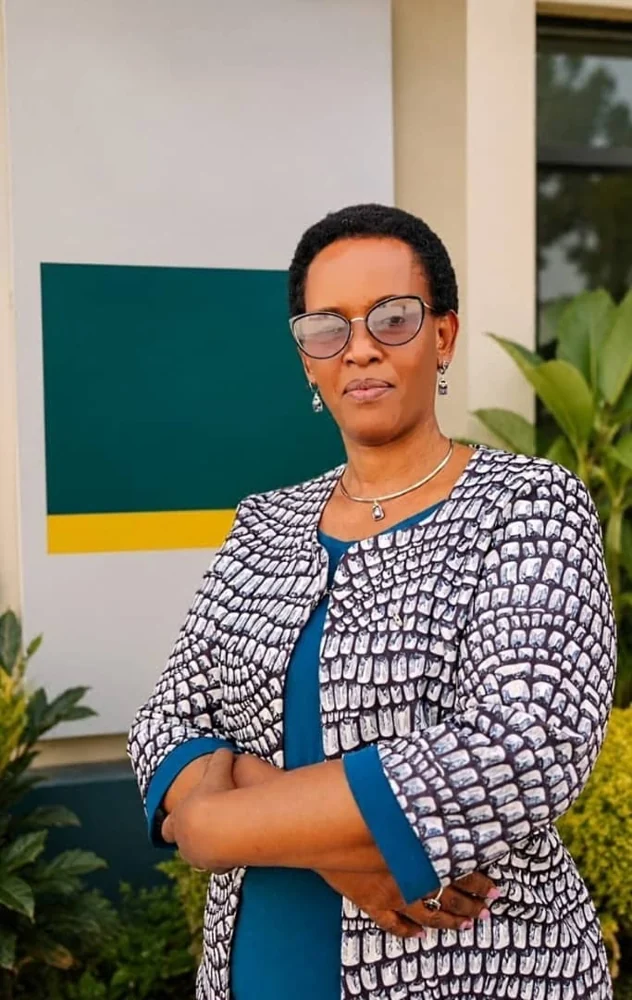
Women Commissioner at PAFLI.
Women Commissioner
Burundi
Women Commissioner at PAFLI.
Governance
Chair of the board
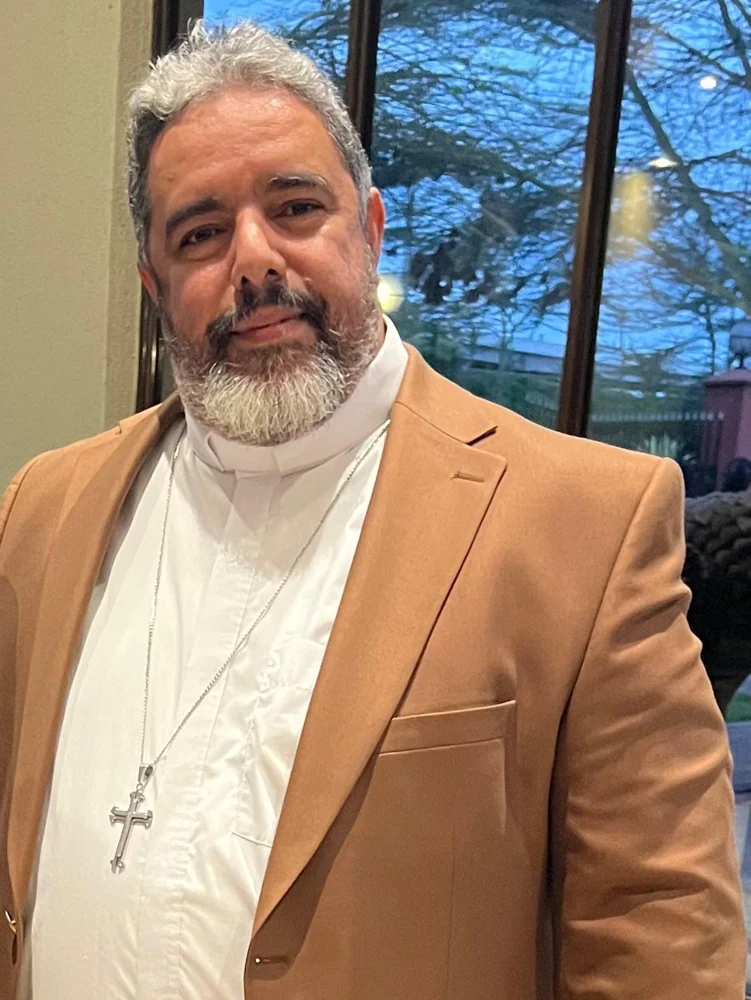
Archbishop Dr. Cohen Daniel Dr. Cohen’s early Islamic years Dr. Daniel Cohen (b. 1971, Casablanca, Morocco) is a religious scholar and ecclesiastical leader whose int…
Archbishop Dr. Cohen Daniel
Dr. Cohen’s early Islamic years
Dr. Daniel Cohen (b. 1971, Casablanca, Morocco) is a religious scholar and ecclesiastical leader whose intellectual and spiritual trajectory reflects a rare intersection of Islamic scholarship, Christian theology, and interfaith engagement. His life and career exemplify the dynamic interplay between religious tradition, academic inquiry, and personal transformation, key elements emphasized in biblical scholarship as central to understanding intellectual lives within broader historical and cultural contexts.
Orphaned within three months of his birth, Cohen was raised under the care of maternal relatives who placed him in an Islamic orphanage. Despite these early adversities, he demonstrated exceptional intellectual discipline and religious commitment from a young age. He memorized the Qur’an and pursued rigorous formal training in Islamic sciences. His academic formation includes a Bachelor’s degree in Maliki jurisprudence (Madhhab) and a Master’s degree in Usul al-Fiqh (Principles of Islamic Jurisprudence), undertaken at recognized institutions such as Al-Azhar Institute and Al-Hawza Institute, centers historically associated with advanced Islamic learning.
Cohen’s early professional career was marked by significant roles within Islamic academia. He served as both Mufti and Imam across multiple national contexts, including France and Saudi Arabia, engaging in jurisprudential interpretation, religious leadership, and community guidance. In parallel, he contributed to interfaith and intercultural dialogue initiatives, including advisory and consultative roles within European institutional frameworks, such as the European Commission. These engagements positioned him within a broader movement of religious diplomacy and cross-cultural understanding, reflecting contemporary scholarly emphasis on interreligious dialogue as a critical domain of global ethics.
Christian Profession
A pivotal transformation occurred in 2010, when Dr. Cohen experienced a profound spiritual reorientation and embraced Christianity. This transition marked not a rupture with his intellectual past but rather an expansion of his theological inquiry. Subsequently, he undertook extensive studies in Biblical literature, Talmudic traditions, and Christian theology. His continued academic development includes training and degrees from institutions such as Korntal University, the European Training Center for Christian Leadership, and Africa International University, complemented by additional online theological coursework.
Current Professional Engagements
In his later career, Dr. Cohen has been actively engaged in teaching, pastoral ministry, and the formation of spiritual leadership across diverse international contexts. His work emphasizes themes of reconciliation, compassion, and peacebuilding, aligning with broader theological discourses on mission and intercultural engagement. As an Evangelical leader affiliated with the African EPC umbrella, he has continued to expand his influence within ecclesiasical structures.
Dr. Cohen currently serves in a senior ecclesiastical capacity as an Archbishop, associated with African Evangelical frameworks such as the AEA (Association of Evangelicals in Africa). In this role, he provides leadership across denominational boundaries and maintains connections with political and governmental figures throughout the African continent. His profile reflects a synthesis of scholarly authority, religious leadership, and transnational influence.
Overall, Dr. Cohen’s biography illustrates a complex and evolving intellectual journey shaped by early adversity, rigorous scholarship, interfaith engagement, and transformative religious experience. His life serves as a case study in the capacity of religious scholarship to transcend doctrinal boundaries while fostering dialogue, institutional leadership, and global engagement.
Dr. Cohen is married to a German national, with whom he shares both personal and ministerial commitments. Their partnership extends beyond family life into collaborative engagement in theological education, pastoral formation, and liturgical practice, particularly in praise and worship. Such joint vocational models reflect a broader pattern in biographical and religious studies, in which spousal collaboration significantly contributes to ministerial effectiveness and institutional influence.
Together, Dr. Cohen and his wife are actively involved in theological training initiatives, contributing to the development of emerging leaders within ecclesiastical contexts. Their work integrates academic instruction with practical ministry, emphasizing holistic formation that bridges doctrinal knowledge and lived religious experience.
At present, Dr. Cohen serves in both theological education and applied ministry across several universities in Africa. His role encompasses teaching, curriculum development, and mentorship, positioning him within a transnational network of theological scholarship and leadership formation. This combination of academic and pastoral engagement underscores the contemporary trend in theological education toward integrating scholarship with praxis, particularly within rapidly growing African Christian contexts.
Dr. Cohen is conversant in ten languages, a competency that significantly enhances his scholarly and ministerial engagement across diverse cultural and religious contexts. Multilingualism is widely recognized within linguistic anthropology and religious studies as a critical tool for facilitating intercultural dialogue, enabling access to primary religious texts, and fostering nuanced theological interpretation across traditions.
In addition to his linguistic proficiency, Dr. Cohen is an avid student of culture and theological anthropology. His interests in this field reflect an interdisciplinary approach that integrates insights from anthropology, theology, and cultural studies to examine the nature of humanity, belief systems, and religious expression. Theological anthropology, in particular, explores how human identity, culture, and language intersect with religious meaning-making, emphasizing the importance of contextual understanding in both scholarship and ministry
Dr. Cohen’s engagement with cultural and theological anthropology informs his academic work and practical ministry, allowing him to navigate complex intercultural environments with intellectual sensitivity and theological depth. His profile thus exemplifies the growing importance of cross-cultural competence and linguistic diversity in contemporary global theology and religious leadership.
Governance
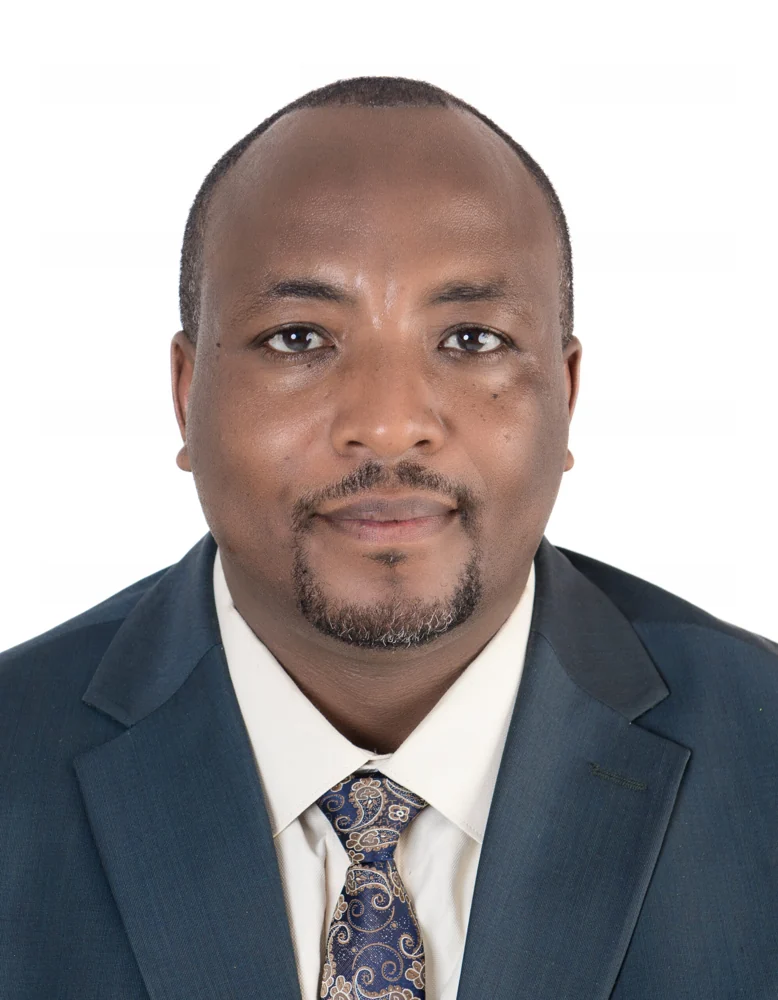
President
Bishop Gatabazi Alfred is a Christian leader, humanitarian, development practitioner, and visionary institution builder whose ministry and professional career have spanne…
Bishop Gatabazi Alfred is a Christian leader, humanitarian, development practitioner, and visionary institution builder whose ministry and professional career have spanned more than two decades. Throughout his journey, he has remained committed to advancing Christian leadership, community transformation, peacebuilding, and sustainable development across Africa. His work reflects a unique combination of spiritual leadership, strategic vision, and practical solutions that have positively impacted thousands of individuals, churches, and communities.
Bishop Alfred founded Beth Ammi Christian Fellowship Church in 2006, establishing a ministry dedicated to biblical teaching, discipleship, leadership development, and holistic community transformation. Since its inception, the church has continued to grow while serving as a platform for spiritual growth, family empowerment, youth development, and outreach initiatives within Rwanda and beyond.
Between 2007 and 2009, Bishop Alfred served as a Team Leader with World Vision Rwanda in Karongi District, where he led development programs that strengthened vulnerable communities and promoted sustainable livelihoods. During the same period, he also became the African Representative of God’s Beloved Ministry, a role through which he has continued to foster spiritual development and international partnerships.
His passion for serving vulnerable populations led him to become the Director of Children Rescued Initiative between 2009 and 2010, where he oversaw programs dedicated to improving the welfare and protection of children. From 2011 to 2017, he served as the Director of Heard Company Africa, leading the organization’s regional operations and contributing significantly to its growth and expansion throughout the continent.
Recognizing the need for integrated solutions to Africa’s development challenges, Bishop Alfred founded Bridge Africa Solution Organization in 2018. As Founder and President, he has guided the organization in implementing programs that address humanitarian assistance, leadership development, agriculture, education, peacebuilding, economic empowerment, and community resilience. Under his leadership, the organization has established strategic partnerships with governments, churches, development agencies, and international organizations to expand opportunities for sustainable development across multiple countries.
His commitment to collaboration has resulted in partnerships with respected international organizations, including Lift Them Up International, Hands and Feet Global, UNICEF Burkina Faso, AGRA Africa, and Equip Farmers International, all of which support initiatives aimed at improving education, child welfare, agricultural productivity, and community well-being.
Bishop Alfred has also become one of the leading voices within the evangelical movement across Africa. In 2024, he was elected President of the Alliance Evangelical Churches of Rwanda and Vice President of Peace Plan Rwanda, positions that reflect his dedication to strengthening church unity and promoting peace and reconciliation.
His leadership responsibilities expanded further in 2025, when he was elected Vice Chairman of the Association of Evangelicals in Africa (AEA) for the 2025–2030 term, while simultaneously serving as President of the East Africa Community within AEA and President of AER Rwanda. These regional leadership roles have positioned him among the influential Christian leaders working to advance collaboration, mission, and development across the African continent.
Bishop Alfred holds a Bachelor of Arts in Development Studies from Makerere University, Uganda, as well as a Degree in Theology from the University of Baptist of Goma. His academic background has provided a strong foundation for integrating biblical principles with practical approaches to community development, organizational leadership, and humanitarian service.
Widely respected for his servant leadership, strategic thinking, and unwavering commitment to integrity, Bishop Alfred continues to inspire churches, leaders, governments, and development partners to work together in addressing Africa’s most pressing challenges. His vision is to see transformed communities where faith, leadership, innovation, and sustainable development come together to improve lives and create lasting impact for future generations.
Governance
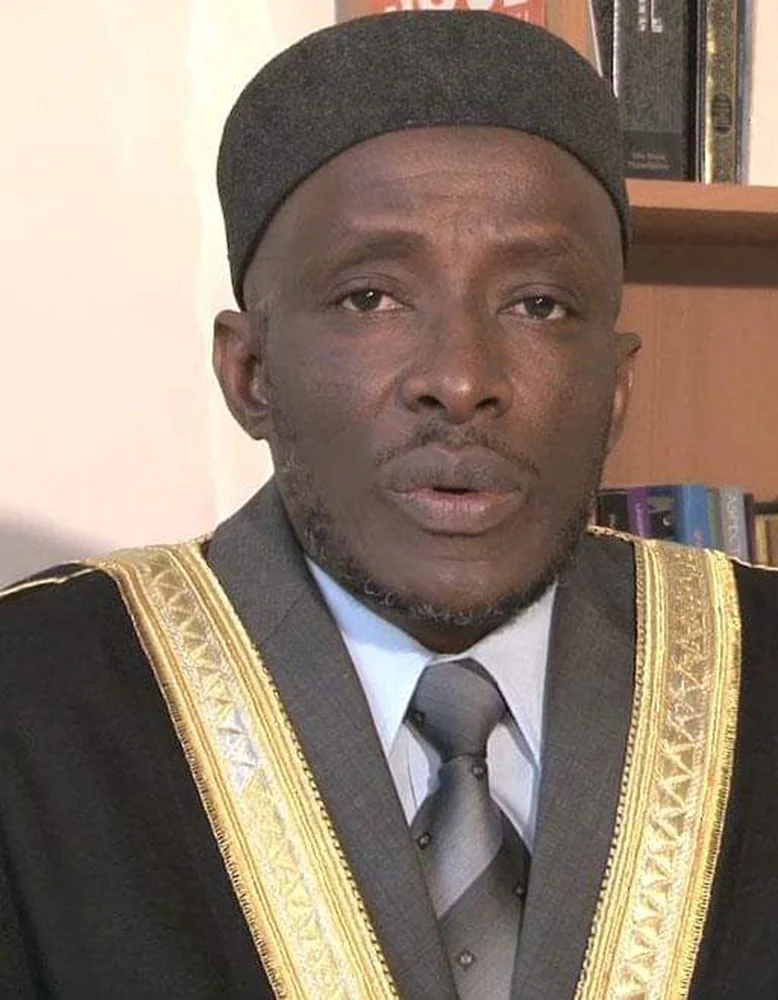
Vice President
Rwanda
A biography will be added soon.
 Share a concernYour concern matters. Share it safely with PAFLI.